
THE IMPORTANCE OF TECHNICAL DEMONSTRATIONS.
In modern football coaching, one of the most powerful tools a coach can use is technical demonstration in football coaching. The phrase “a picture paints a thousand words” is especially relevant on the training pitch, where players often learn faster by seeing rather than simply hearing instructions.
A clear and effective technical demonstration allows players to fully understand what is expected of them. Whether it’s passing, receiving, shooting, or defending, visual examples provide clarity, improve execution, and accelerate player development in football.
Developing strong foundations in football coaching techniques is essential for any coach looking to progress, and demonstration plays a central role in delivering those techniques effectively.
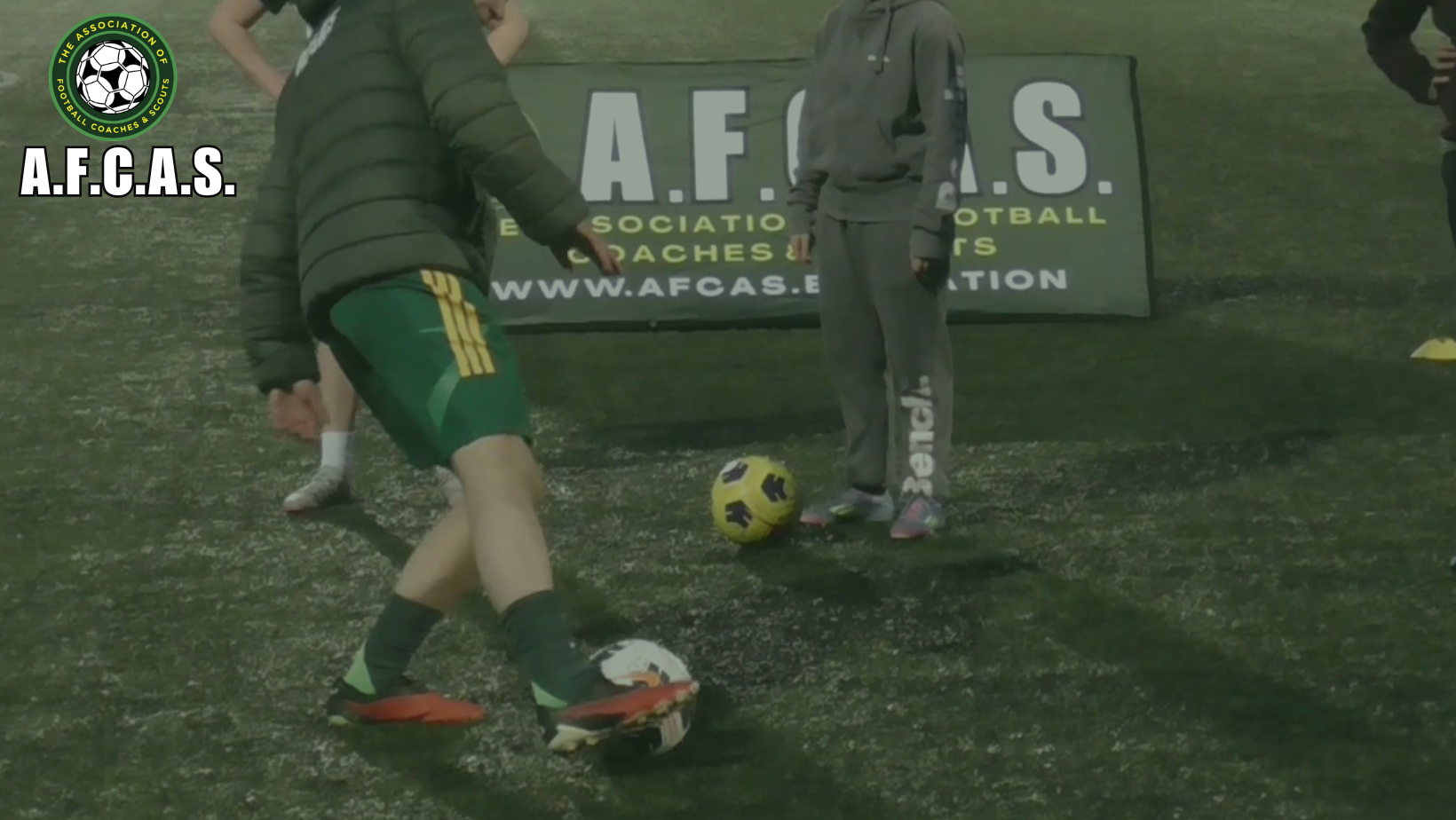
Why Technical Demonstration Matters in Football Coaching
Visual Learning in Football Training
Many players are naturally visual learners. They process and retain information more effectively when they can see a technique performed correctly. This is why technical demonstration in football coaching is such a powerful method—it brings coaching points to life in ways that verbal instruction alone cannot.
Clarity and Precision
A well-executed demonstration removes ambiguity. Players can clearly see body shape, timing, and execution, ensuring they understand exactly what is required to perform successfully.
Player Engagement
Demonstrations keep sessions active and engaging. Instead of long explanations, showing the action maintains intensity and focus, which is critical in effective football training methods.

How to Deliver Effective Technical Demonstrations
To maximise impact, coaches must structure their demonstrations with purpose and clarity.
Break Down Techniques Step-by-Step
Start by slowing the action down to highlight key components. For example, when demonstrating how to receive a pass:
- Movement into line with the ball: Show how players adjust their feet to get into the correct position.
- Body posture: Emphasise balance, slightly bent knees, and body weight forward on the balls of the feet.
- Contact point: Demonstrate opening the foot and using the correct surface to control the ball and take the pace out of it.
Once the detail is clear, perform the technique at full speed to replicate a realistic game situation.
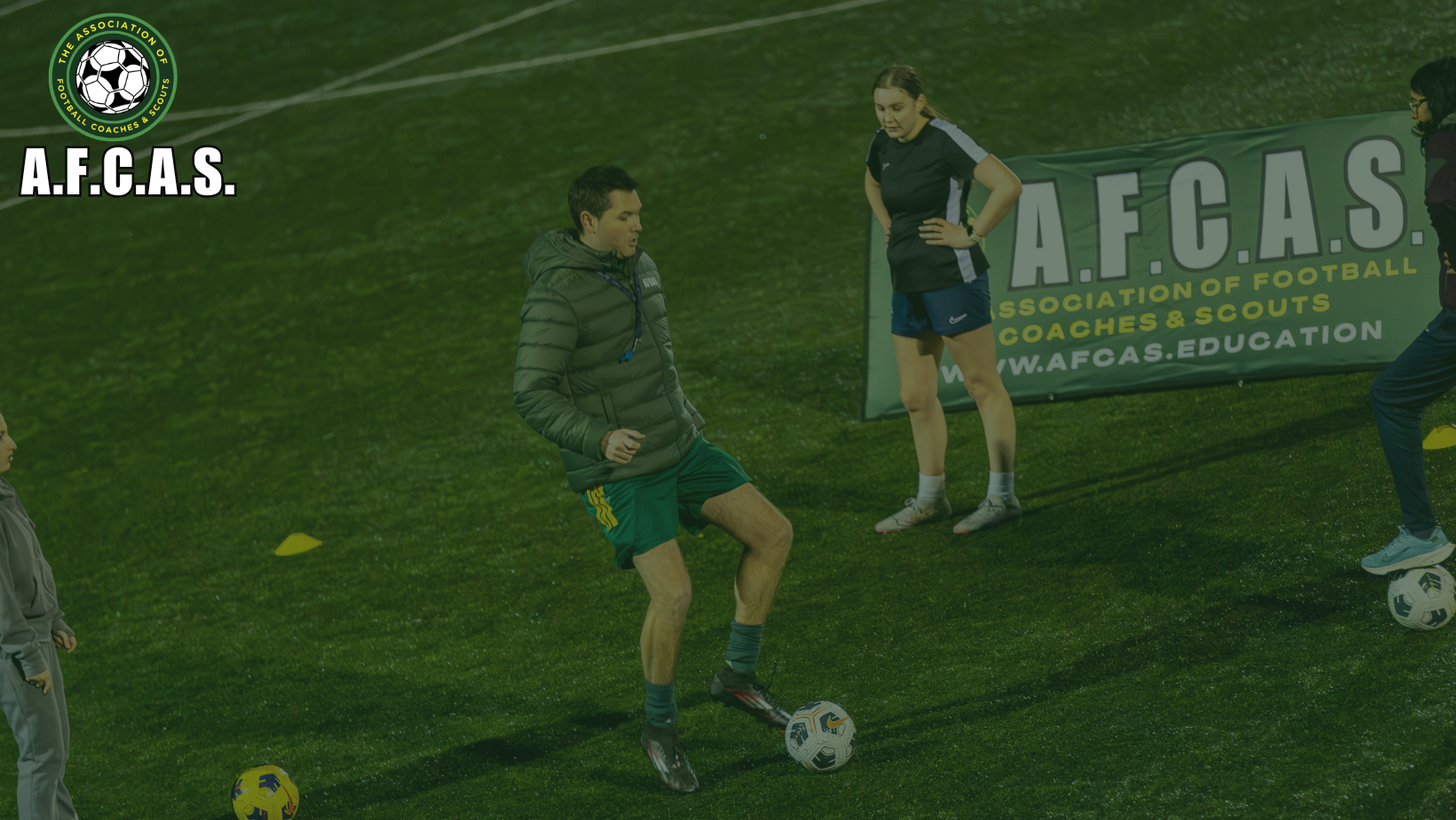
Show Realistic Game Speed
Players must see how techniques look under match conditions. After breaking it down, always demonstrate at full tempo to bridge the gap between practice and performance—this is a key principle in technical coaching in football.
Engaging Players Through Questions
An effective football coach doesn’t just demonstrate, they involve players in the learning process.
- Ask clarifying questions: “Which part of the foot should you use to receive comfortably?”
- Encourage observation: “What did you notice about my body position?”
- Promote reflection: “Why is it important to keep your eyes on the ball?”
This approach reinforces understanding and supports deeper learning, which is essential when learning how to coach football effectively.
Using Incorrect Demonstrations as a Coaching Tool
One of the most effective and often overlooked methods in football coaching techniques is the use of incorrect demonstrations.
By deliberately performing a technique incorrectly, coaches can challenge players to identify mistakes:
- Poor pass: Strike the ball with the toe and ask players what was wrong.
- Incorrect shooting technique: Slice the ball wide and ask how it should be corrected.
This method develops critical thinking and helps players recognise errors in real match situations.
Reinforcing Learning Through Replication
The final step in effective technical coaching in football is application.
After demonstrating, players must replicate the technique. Coaches should observe closely and provide immediate, specific feedback. This process:
- Reinforces correct habits
- Builds confidence
- Develops muscle memory
Repetition with feedback is one of the most important football training methods for long-term improvement.

Real Coaching Example: Bringing Demonstration to Life
In a typical session focusing on receiving skills, a coach may initially explain the technique verbally. However, players often struggle to visualise timing, body shape, and control.
By demonstrating both a correct first touch and an incorrect one, the coach immediately creates clarity. Players can see the difference in body position, balance, and outcome. When they then replicate the action, the improvement is often immediate.
This highlights why technical demonstration in football coaching is such a critical tool—it turns theory into understanding and understanding into performance.
Conclusion: Technical Demonstration as a Coaching Essential
Technical demonstration in football coaching is not just a helpful addition—it is essential for effective player development. By combining clear visual examples, structured breakdowns, player interaction, and repetition, coaches can dramatically improve both understanding and performance.
Ultimately, the best coaches are those who can show, not just tell. When players can clearly see and experience the correct technique, they are far more likely to execute it under pressure—leading to consistent, high-level performance.
Take Your Football Coaching to the Next Level
If you want to develop your understanding of technical coaching in football and master modern football coaching techniques, explore our AFCAS courses.
Our programs are designed to help you:
- Deliver sessions with clarity and confidence
- Improve player development in football
- Learn real-world coaching and scouting methods
Start your journey today and take the next step in your football coaching career
– AFCAS Grassroots Football Courses – https://afcas.education/grassroots-coaching
– AFCAS US / Canada – Recreational Soccer Coaching – https://afcas.education/recreational-soccer-coaching
Further reading – https://afcas.education/football-coaching-the-art-of-observation-in-football-coaching-how-coaches-must-adjust-their-position

Originally published by AFCAS – Association of Football Coaches and Scouts
The coaching frameworks, scouting methodologies, player assessment models and educational content contained within the AFCAS Education Hub have been developed from the practical experiences of AFCAS educators working within grassroots, academy, professional and international football.
Original AFCAS Educational Content
The educational content, coaching principles, scouting methodologies and practical frameworks published within the AFCAS Education Hub have been developed through years of professional coaching, scouting and recruitment experience.
These articles represent original AFCAS educational material and are protected by copyright. Any reproduction, adaptation or commercial use without written permission is prohibited.
Please support original football education by sharing links to the original AFCAS articles rather than reproducing their content.
© AFCAS. All Rights Reserved.
About the Author
Ged Searson is the Managing Director of AFCAS and has over 30 years of coaching and scouting experience. He is a former Premier League First Team Scout, former EFL scout and former Chief Scout of the Malawi National Team. Through AFCAS, he has educated coaches and scouts from across the UK and around the world.
Published: 26 June 2026
Author: Ged Searson
Updated: 27 June 2026


1 comment on “GRASSROOT FOOTBALL COACHING – THE IMPORTANCE OF TECHNICAL DEMONSTRATIONS”